
The hidden impacts of gambling on social well-being
Understanding Gambling’s Influence
The hidden impacts of gambling extend far beyond financial loss or gain; they permeate the social fabric of communities. While many perceive gambling as a harmless pastime or a source of entertainment, the reality reveals a more complex interplay of psychological and social elements. This multifaceted issue demands a closer examination to grasp how gambling affects individuals and their relationships within society. For those interested, resources like https://canadasportzbook.ca/ can provide further insight into these complexities.
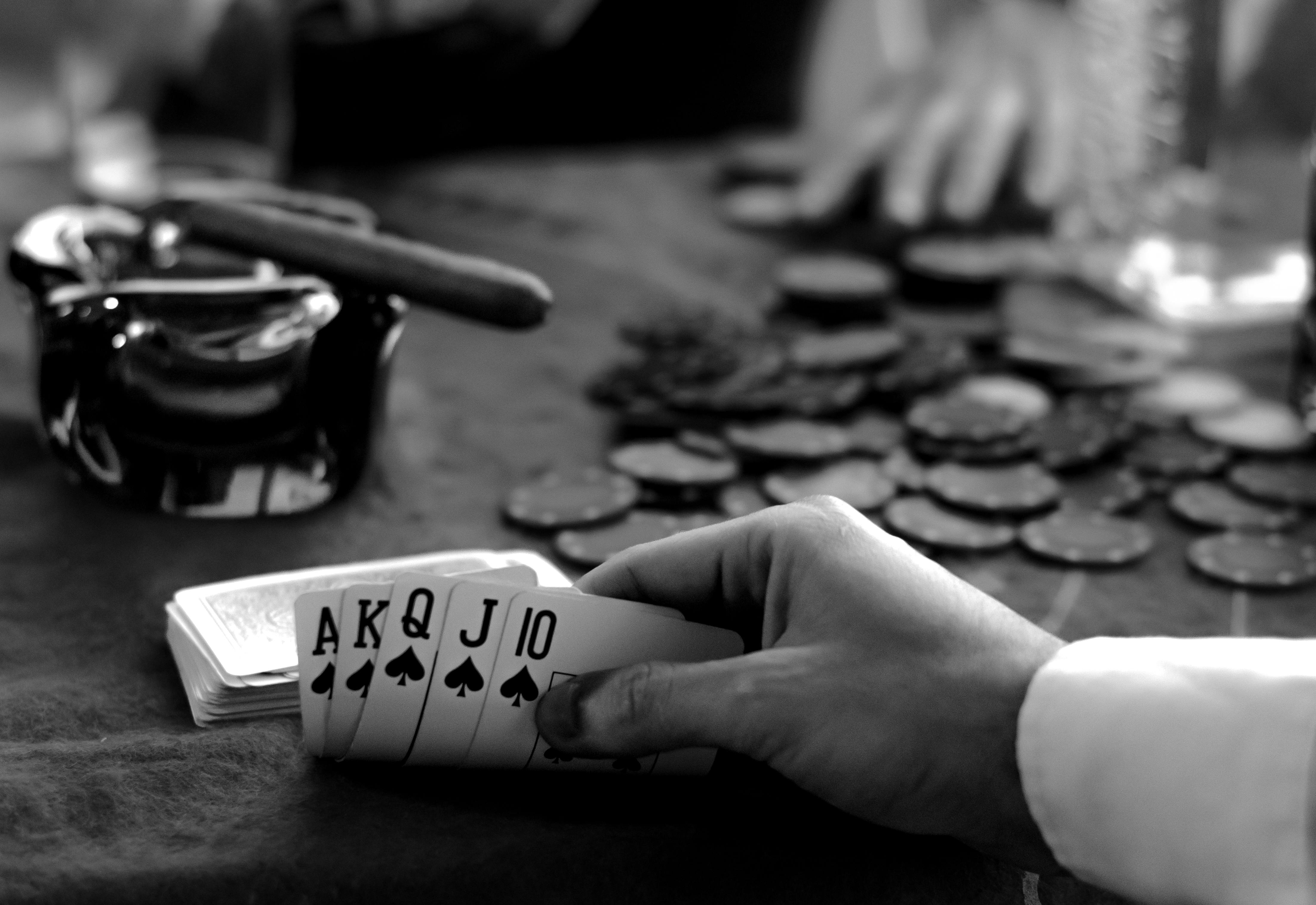
For many, gambling can begin as a recreational activity but may escalate into a compulsive behavior that affects not just the gambler but also their families and communities. The stigma surrounding problem gambling often silences discussion, leaving many to suffer in isolation. Understanding this dynamic is crucial for developing effective interventions and support systems.
Economic Consequences and Social Well-Being
The economic ramifications of gambling are often highlighted, yet its social consequences are equally significant. Communities that host casinos or betting establishments may experience short-term economic boosts, but these benefits are often overshadowed by long-term social costs. Increased crime rates, family disruptions, and mental health issues can emerge as gambling becomes more prevalent. CanadaSportzBook addresses some of the top casino myths debunked, shedding light on these societal impacts.
Furthermore, gambling can exacerbate existing inequalities, particularly in lower-income areas. Those with limited financial resources may turn to gambling as a means of escaping their circumstances, leading to cycles of debt and despair that affect not only individuals but also broader community dynamics.
Psychological Impacts of Gambling
The psychological effects of gambling are profound and can lead to serious mental health issues, including anxiety, depression, and addiction. Gamblers may experience heightened levels of stress, especially when they face losses, which can lead to irrational decision-making and further gambling to recover lost funds. This vicious cycle can have devastating effects on emotional health and stability.
In addition to the direct impacts on the gambler, their mental health challenges can ripple through their relationships with family and friends. Trust issues, conflicts, and emotional distress often arise, undermining social bonds and creating an environment of isolation and despair.
Community Implications and Social Cohesion
The presence of gambling establishments can significantly alter community dynamics. While some argue that casinos can bring in revenue and tourism, they can also lead to a decline in social cohesion. As gambling becomes normalized, communities may witness a shift in values, with greater acceptance of risk-taking behaviors and a diminished focus on collective well-being.
Moreover, the strain on public resources due to gambling-related issues, such as addiction treatment and crime prevention, can divert attention and funding from other essential community services. This misallocation can weaken the social structures that hold communities together, impacting overall quality of life.

Stay Informed with Canada Sportz Book
To better understand the implications of gambling on social well-being and keep up with related discussions, Canada Sportz Book serves as an invaluable resource. Our platform offers comprehensive insights into various topics, including sports and gambling, helping users navigate the complexities of these interrelated areas.
By engaging with our community, you can stay informed about the latest developments and analyses, ensuring you’re equipped to make informed decisions in a world where gambling plays an increasingly prominent role. Join us to explore more and enhance your understanding of these pressing social issues.