
The Thrill of Risk and Reward
The allure of casinos is deeply embedded in the thrill of taking risks and the potential for significant rewards. This psychological phenomenon is often linked to the excitement of uncertainty. Players experience a rush when placing bets, driven by the hope of winning big. In this context, those interested in enhancing their gaming experience may consider exploring texas online betting. This emotional stimulation can create a sense of euphoria, encouraging them to continue gambling even after losses. Understanding this interplay of risk and reward is crucial for grasping the psychological aspects that contribute to success in casino environments.
Moreover, the brain’s reward system plays a pivotal role in this dynamic. The anticipation of winning triggers the release of dopamine, a neurotransmitter associated with pleasure. This chemical reaction not only enhances the enjoyment of playing but also reinforces behaviors that lead to repeated gambling. A player who experiences a win may feel an increased desire to chase that high again, often leading to a cycle of gambling that can be hard to break.
The Role of Cognitive Biases
Cognitive biases significantly influence decision-making processes in casinos. Many players fall victim to the “gambler’s fallacy,” where they believe that past outcomes affect future results. For instance, if a slot machine hasn’t paid out recently, they may feel it is “due” for a win. This erroneous belief can lead players to make irrational decisions, potentially increasing their chances of losing more.
Additionally, confirmation bias plays a substantial role. Players tend to remember their wins while conveniently forgetting their losses. This skewed perception can create an inflated sense of success, impacting future gambling behaviors. Recognizing these cognitive biases can help individuals understand their decision-making processes at the casino and potentially improve their strategies for winning.
The Importance of Emotional Control
Emotional control is a critical factor in successful gambling. Players who can manage their emotions are more likely to make rational decisions rather than impulsive ones. The excitement of gambling can lead to heightened emotions, which may cloud judgment and result in poor choices. A calm and collected mindset allows players to strategize effectively, assess risks accurately, and ultimately improve their chances of winning.
In scenarios where emotions run high, such as after a loss, players may chase their losses by betting more aggressively. This behavior can lead to a downward spiral, resulting in greater financial losses. Therefore, cultivating emotional intelligence and practicing mindfulness can serve as valuable tools for players looking to enhance their casino experience and mitigate risks.
Strategies for Success
Developing effective strategies is key to increasing one’s odds in the casino. Successful gamblers often rely on a combination of research, discipline, and understanding of the games they play. This knowledge provides insight into the probabilities involved, allowing them to make informed decisions about their bets. For example, mastering the rules of games like blackjack or poker can provide a strategic edge over less experienced players.
Moreover, setting limits and maintaining a budget is vital for responsible gambling. Players who adhere to a predetermined budget are less likely to fall into the trap of excessive gambling. This discipline ensures that they can enjoy the experience without risking their financial well-being. A strategic approach to gambling not only enhances the chances of winning but also fosters a more enjoyable experience overall.
The Influence of Environment and Social Factors
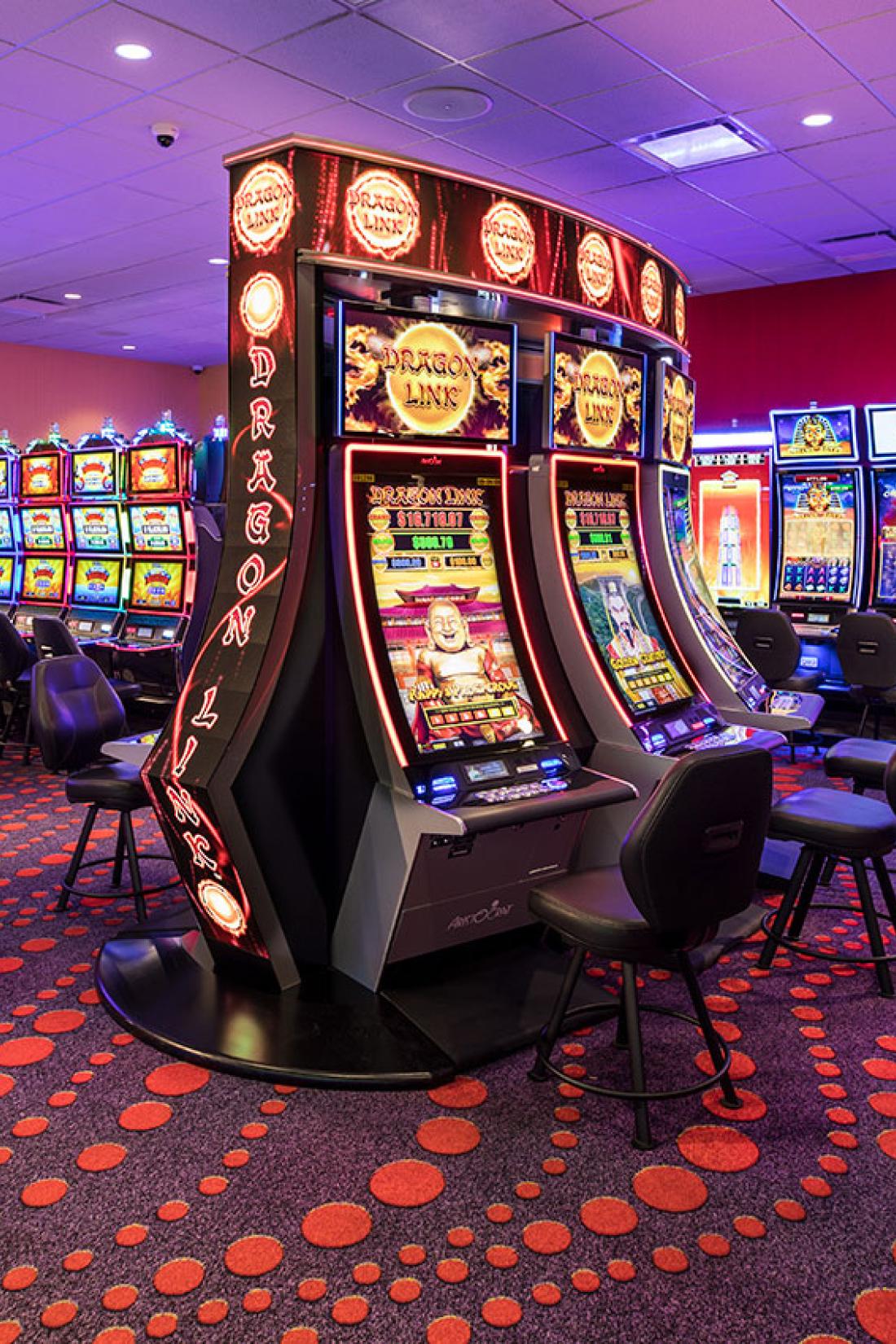
The environment within a casino plays a significant role in shaping player behavior. Bright lights, captivating sounds, and the presence of other players can create a stimulating atmosphere that encourages gambling. This sensory overload often heightens excitement levels, which can lead to impulsive betting and increased spending. Understanding how environmental cues impact behavior is crucial for both players and casino operators.
Social factors also come into play. The presence of friends or fellow gamblers can either enhance the pleasure of the experience or lead to peer pressure. For some individuals, gambling in a social setting can create a sense of camaraderie, enhancing their enjoyment and potentially leading to more cautious decision-making. However, social dynamics can also encourage riskier behavior if individuals feel pressured to keep up with others. Recognizing these influences can help players navigate their gambling experiences more effectively.