
The Thrill of Gambling: A Psychological Perspective
The excitement that comes with gambling is deeply rooted in human psychology. When players engage in casino games, they often experience a rush of adrenaline that can be both stimulating and addictive. This thrill, often associated with risk and uncertainty, captivates players and keeps them returning for more. The anticipation of winning a game can trigger the release of dopamine, a neurotransmitter linked to pleasure and reward, reinforcing the desire to play. In this competitive world, many look for new betting sites that offer enhanced experiences and opportunities.
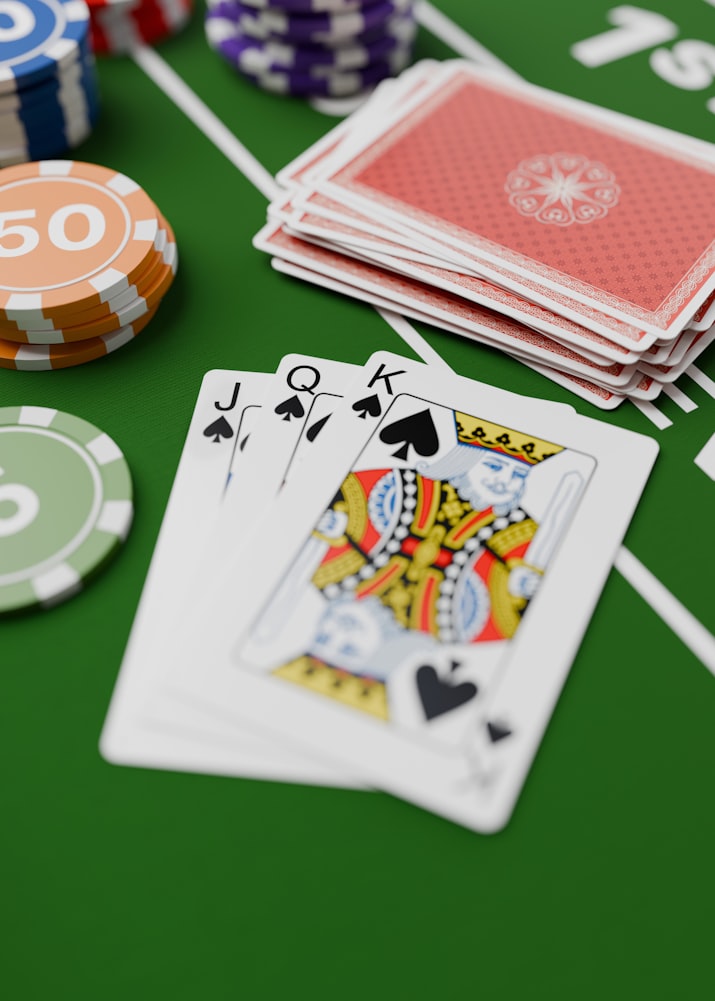
Moreover, casinos are designed to amplify these feelings. The sounds of spinning wheels, ringing bells of slot machines, and the vibrant lights all contribute to a sensory overload that heightens emotions, making the act of gambling feel exhilarating and rewarding. This engagement with the environment can lead to a temporary escape from reality, further explaining why players are drawn back time and again.
The Illusion of Control
Many casino games are based on luck, yet players often believe they have control over their outcomes. This phenomenon, known as the illusion of control, plays a significant role in gambling behavior. Players may develop strategies or rituals that they think increase their odds, such as betting patterns or selecting certain machines. This mindset reinforces their commitment to return, as they believe their actions can shape their destiny.
Understanding this psychological aspect helps casinos create environments where players feel empowered. Engaging in games that require skill can further enhance the illusion of control, making players more likely to return in hope of mastering their chosen game. This dynamic of perceived control versus actual randomness creates a compelling cycle that keeps players invested in the experience.
The Role of Social Interaction
Casinos are not just about games; they also serve as social hubs where individuals can gather and interact. This communal aspect of gambling enhances the overall experience and provides a sense of belonging. Players enjoy the camaraderie of sharing victories and defeats with others, fostering connections that can make the experience more enjoyable.
Additionally, social interactions often contribute to a sense of competition, pushing players to return in hopes of outdoing their peers. Events such as tournaments or themed nights provide opportunities for players to engage with each other, amplifying the fun and excitement associated with gambling. The blend of social dynamics and gaming creates an enticing atmosphere that ensnares players in a cycle of repeated visits.
The Impact of Rewards and Incentives
Casinos are notorious for their reward systems, which play a crucial role in attracting patrons. Players often receive loyalty points, bonuses, and other incentives that provide tangible benefits for their gambling activities. This concept of gamification taps into psychological principles, encouraging players to return to earn more rewards and achieve higher status within the casino’s loyalty program.
The psychology behind rewards is simple yet powerful: the more players feel appreciated and recognized, the more likely they are to keep playing. This not only enhances customer satisfaction but also creates a loyal customer base. The anticipation of future rewards can keep players coming back, as they seek to maximize their benefits and enjoy the perks associated with their casino loyalty.

Ensuring a Safe and Engaging Environment
In today’s digital age, the importance of security in online casinos cannot be overstated. With the rise in popularity of online gambling, platforms have made significant investments in security measures, like those offered by Cloudflare, to ensure user data protection. This focus on safety enhances player confidence, making them more likely to return for future gaming experiences.
Moreover, providing a secure environment allows players to focus on the enjoyment of gambling rather than worrying about potential threats. The commitment to safeguarding users while delivering a seamless gaming experience is crucial for maintaining player loyalty. As they feel valued and protected, players are encouraged to engage more deeply with the platform, reinforcing the cycle of enjoyment that keeps them coming back.